Skip to content
Arka Acres logo
Learning from Nature, Growing with Nature

Arka Green Village

A living classroom where time-tested wisdom and natural farming meet the soil. Come learn how cow-based, regenerative methods grow healthier food, richer earth, and a more sustainable way of life.

Cow to soil to food

Natural farming, working with nature
Natural farming works with living soil rather than against it. Using preparations made from our own cows, we awaken the microbes that feed plants naturally — building fertility that lasts and reducing dependence on chemical inputs.

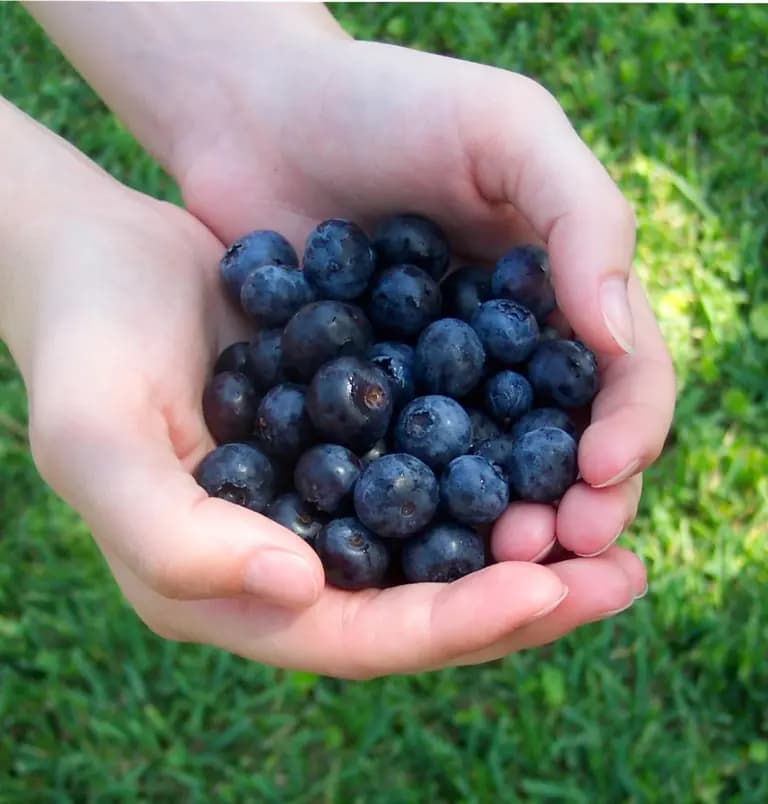
  • Pick-your-own berries
  • Seasonal vegetables
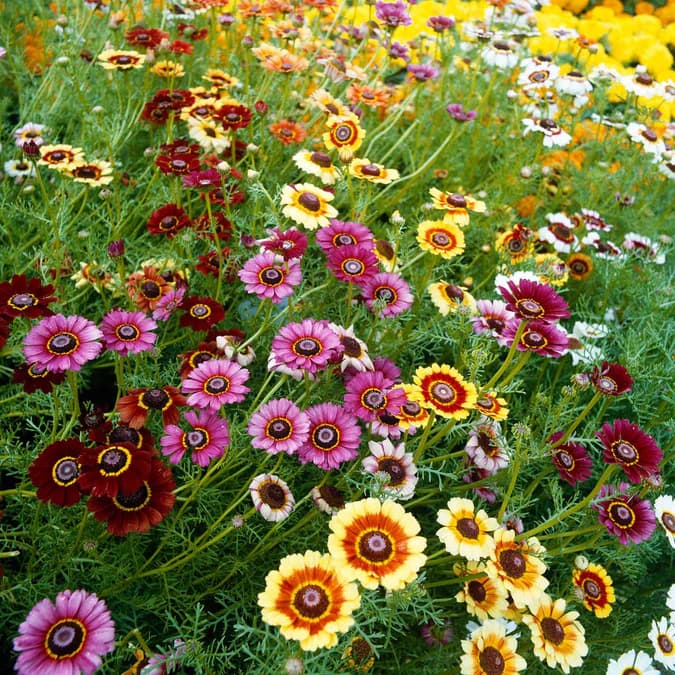
  • Fresh cut flowers
  • Farm-fresh produce
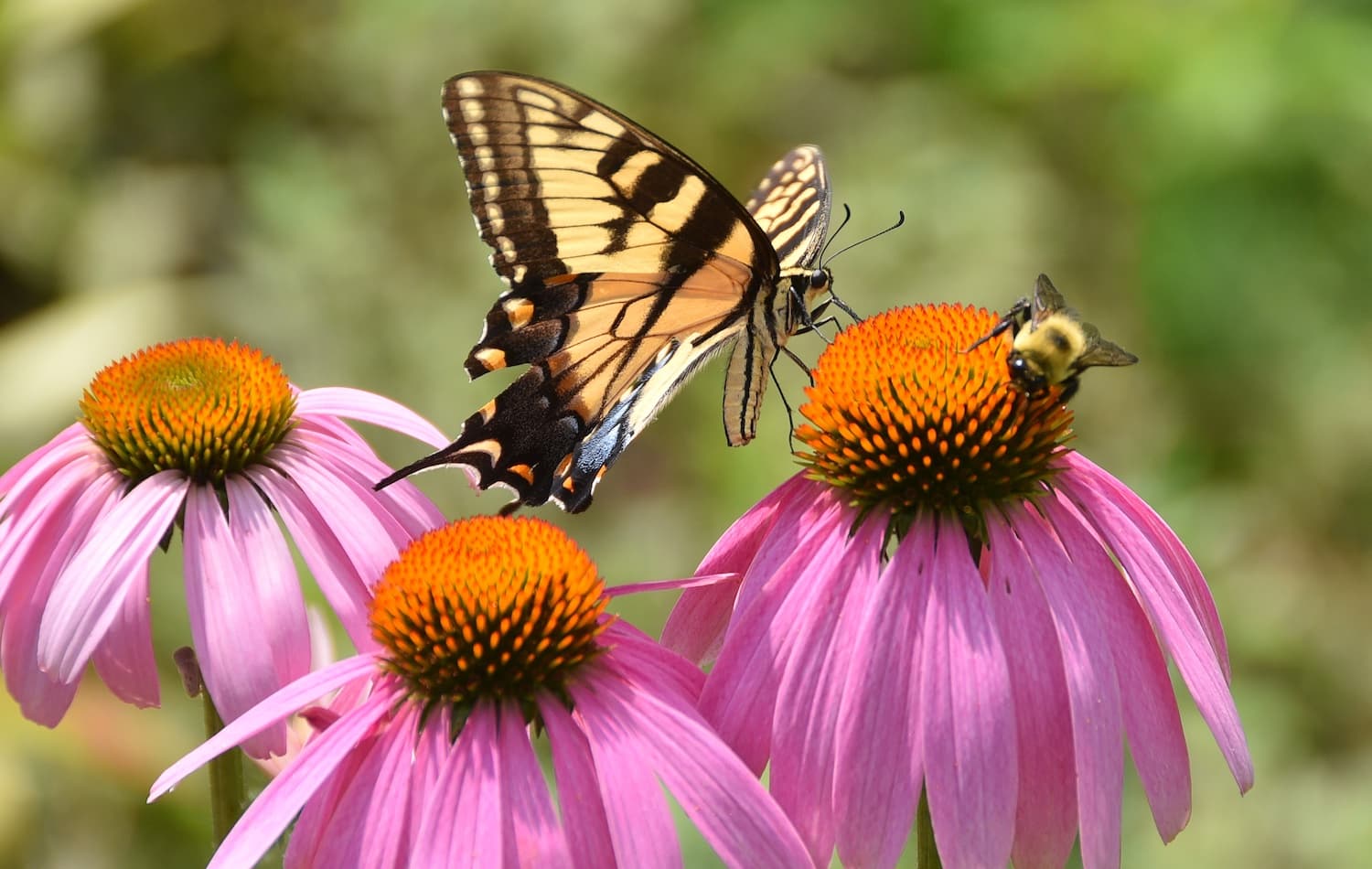
  • Pollinator gardens
  • Beehives & raw honey
  • Wildlife-friendly farming
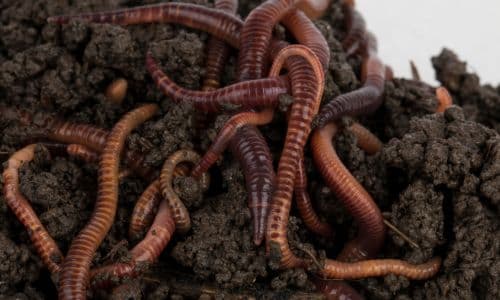
compost & earthworms
cut-flower garden
The science of living soil

Natural farming methods, explained
Each preparation plays a role in building healthy, self-sustaining soil. Here's what they are and why they matter.

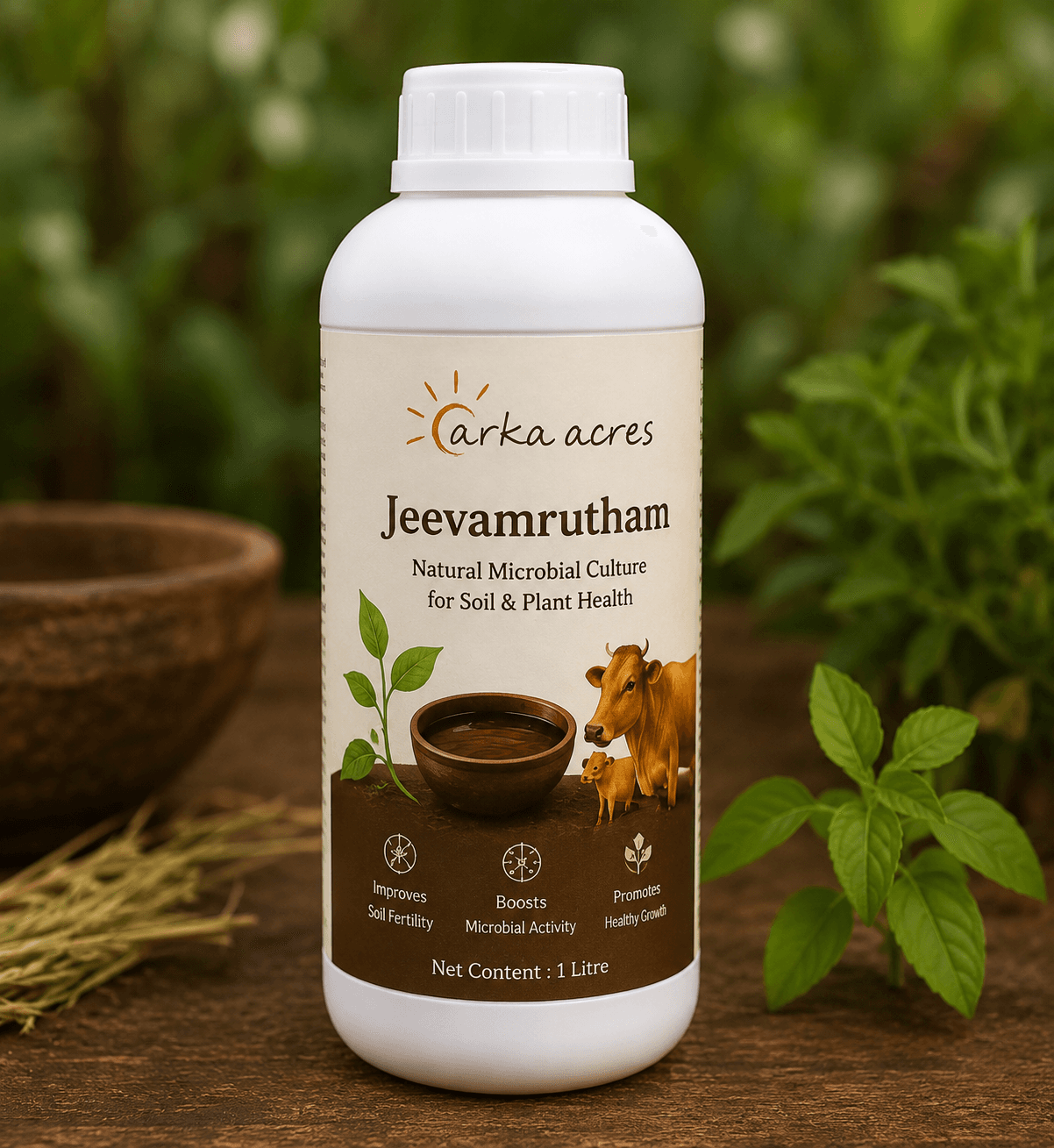
Jeevamrutham

Jeevamrutham

A living microbial tonic that awakens the soil.
  • A fermented liquid culture made from cow dung, cow urine, jaggery, pulse flour, soil, and water.
  • Brewed on-site over a few days, then watered into the fields to flood the soil with beneficial microbes.
  • Multiplies bacteria and fungi that unlock nutrients already present in the soil.
  • Builds soil health and fertility while sharply reducing the need for chemical fertilizers.
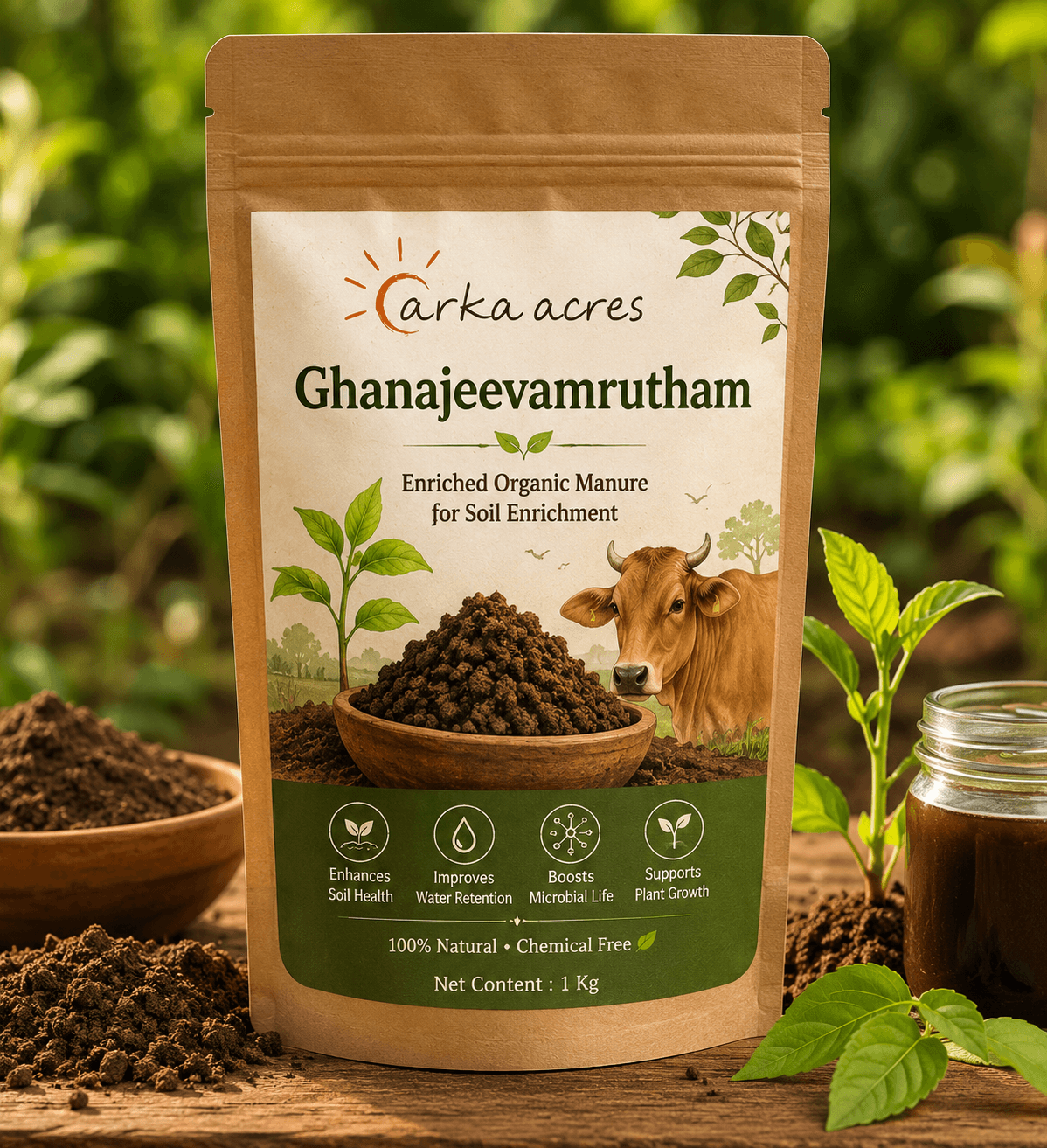
Ghanajeevamrutham

Ghanajeevamrutham

The solid, slow-release form for lasting enrichment.
  • A dry, solid amendment made from cow dung and the same microbial ingredients as Jeevamrutham.
  • Where Jeevamrutham acts quickly as a liquid, Ghanajeevamrutham releases its benefits slowly over time.
  • Broadcast onto fields or mixed into soil before planting for long-term enrichment.
  • Ideal for conditioning beds between seasons and storing microbial life for when it's needed.
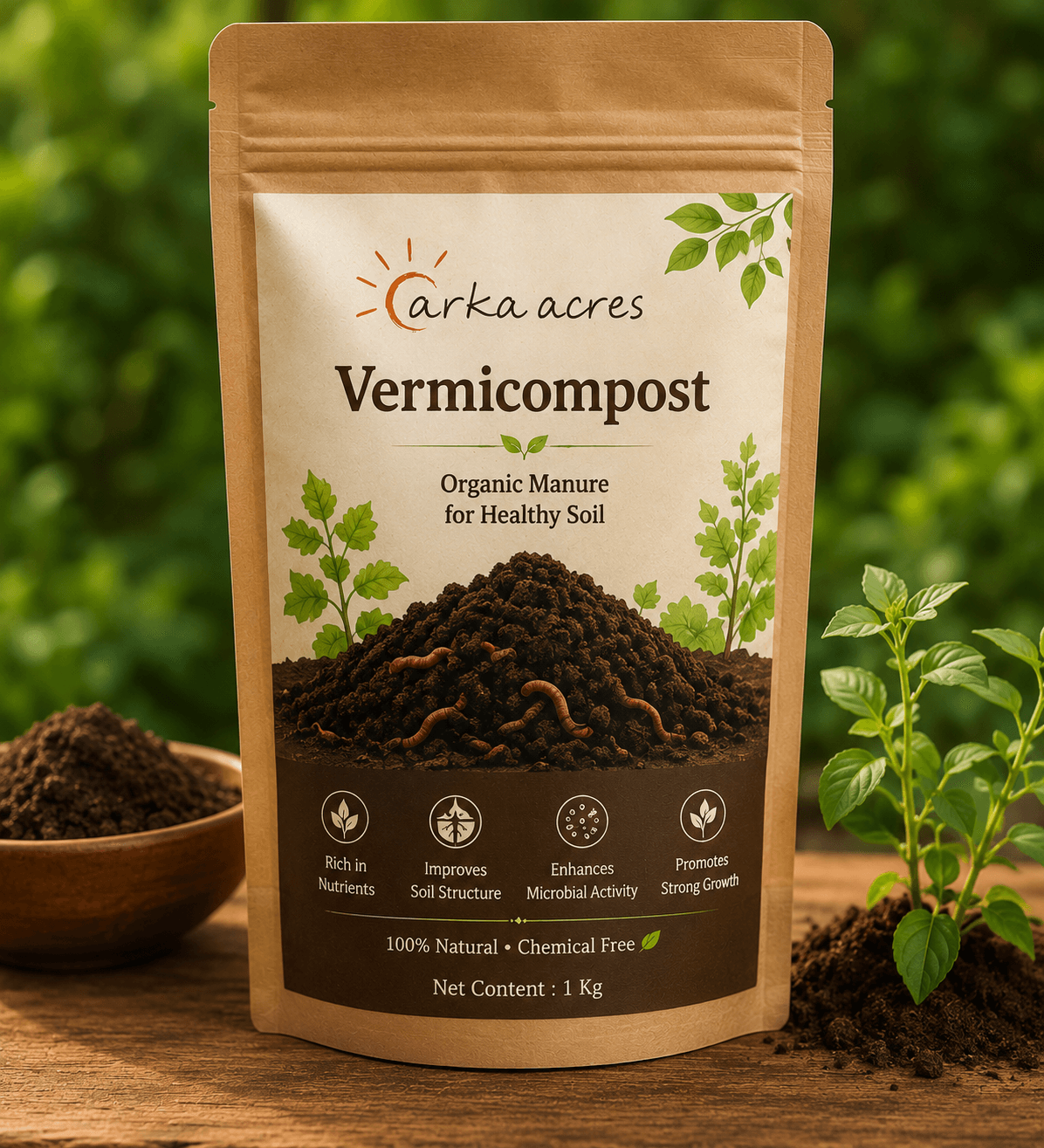
Vermicompost

Vermicompost

Earthworms turning waste into black gold.
  • Nutrient-rich compost created through the quiet work of earthworms breaking down organic matter.
  • Improves soil structure, aeration, and moisture retention.
  • Adds a diverse community of beneficial microbes back into the earth.
  • Closes the loop — farm and kitchen waste become food for next season's plants.
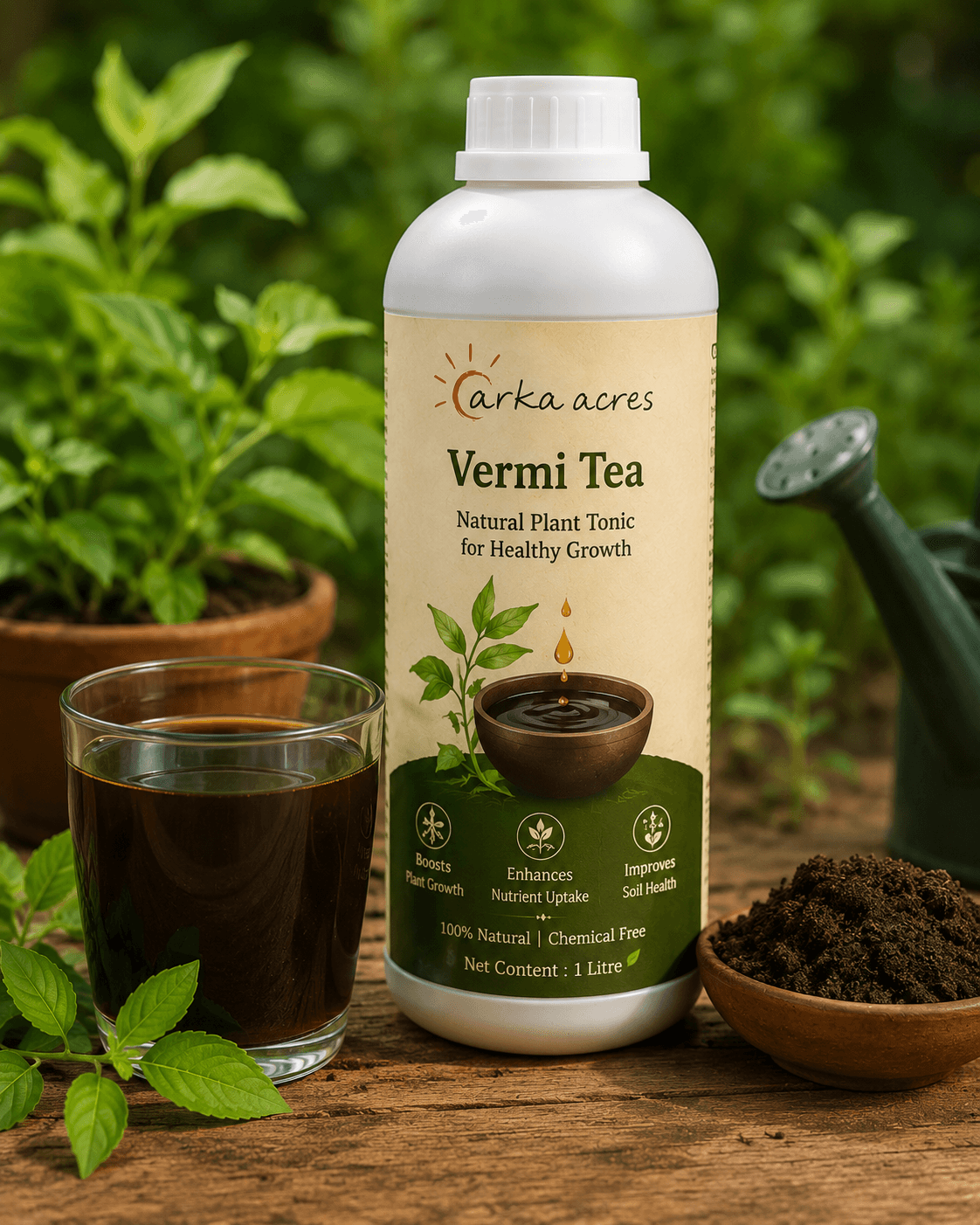
Vermi Tea

Vermi Tea

A gentle liquid brew to feed plants and microbes.
  • A liquid nutrient extraction steeped from finished vermicompost.
  • Sprayed on leaves or watered at the roots for a gentle, natural growth boost.
  • Delivers microbes and soluble nutrients directly where plants can use them.
  • A favorite of natural farmers for reviving tired beds and seedlings.
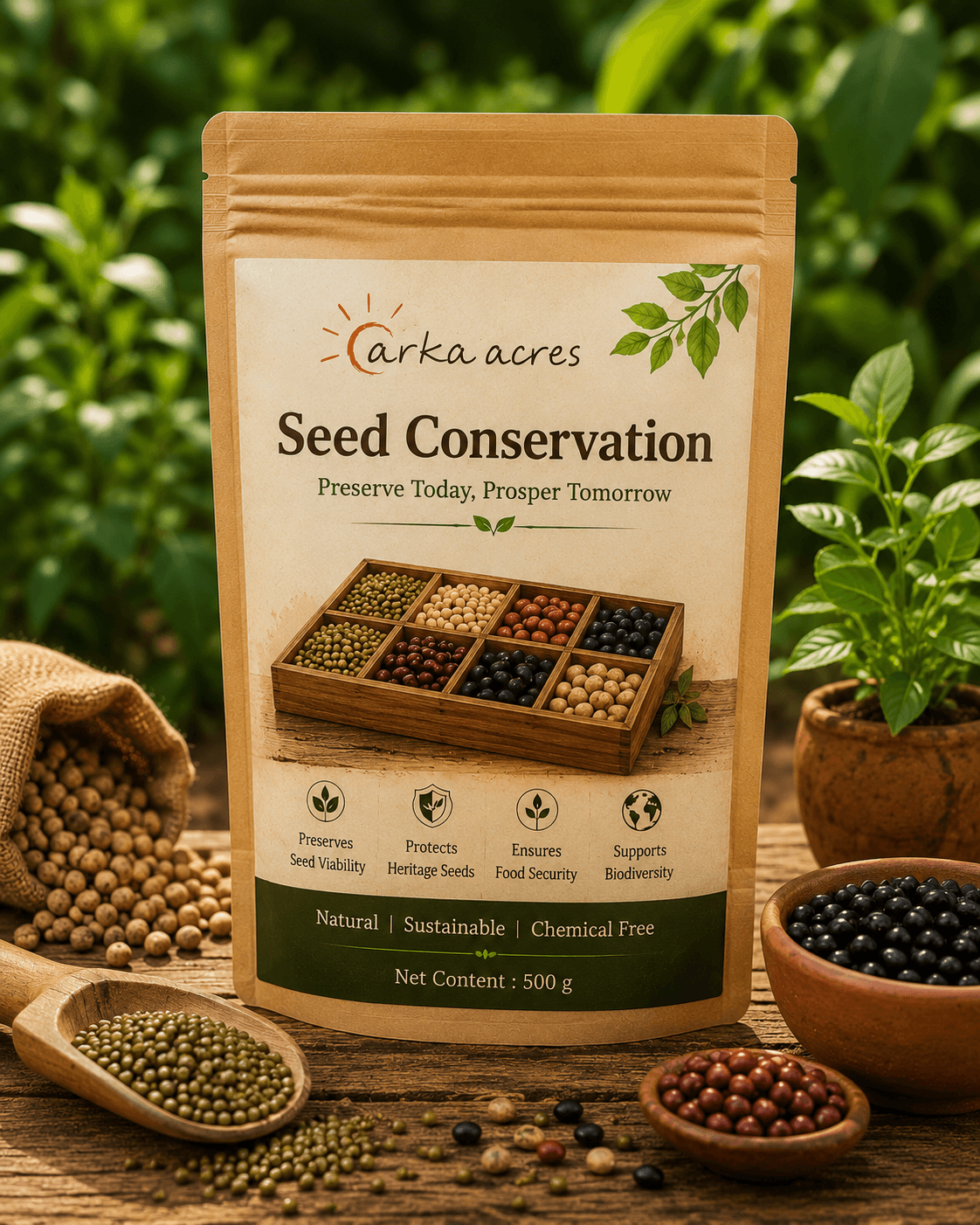
Seed Conservation

Seed Conservation

Saving heritage seeds for the future.
  • We save and share heritage and indigenous seeds adapted to our land and climate.
  • Protecting biodiversity keeps our food system resilient and our flavors rich.
  • Seed-saving education helps families understand where food truly begins.
  • Every saved seed is a small act of food security and cultural memory.
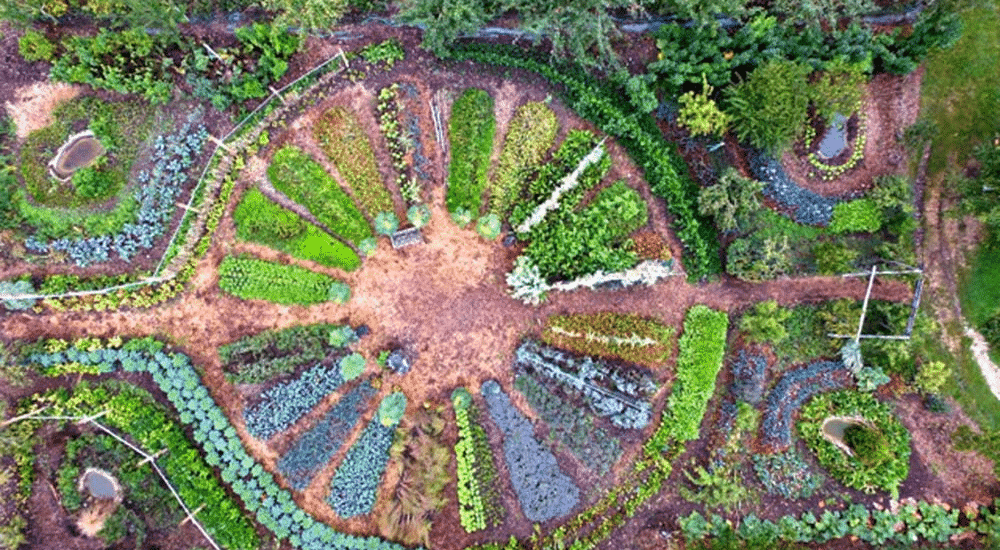
Permaculture

Permaculture

Designing with nature, not against it.

  • Sustainable design principles that mimic the patterns of natural ecosystems.
  • Water conservation through swales, mulching, and thoughtful planting.
  • Soil building, food forests, and regenerative agriculture that improve the land each year.
  • A whole-system approach where animals, plants, water, and people support one another.
Learn by doing

Natural farming programs

See it, try it, take it home. Our programs make regenerative farming approachable for every age.

  • Live farming demonstrations
  • Hands-on natural farming training
  • Guided farm tours
  • Seasonal workshops
  • Family learning experiences
berry rows
pollinator garden
Pick. Gather. Grow.

From our fields to your hands

Wander the rows and gather the season — sweet berries, fresh vegetables, and armfuls of cut flowers, grown the natural way alongside pollinator gardens, beehives, and wildlife-friendly habitat.

Good questions

Natural farming, answered

Curious about our methods, our produce, or how to get involved? Start here.

Organic farming avoids synthetic chemicals but can still rely on purchased off-farm inputs. Natural farming goes further — it works with the living soil using on-farm, cow-based preparations like Jeevamrutham, minimal disturbance, and natural cycles, so the land becomes self-sustaining over time.

Vermicompost rebuilds soil from the ground up — improving structure, moisture retention, and microbial diversity, while turning farm and kitchen waste into rich, plant-ready nutrition.

Jeevamrutham is a fermented microbial tonic made from cow dung, cow urine, jaggery, pulse flour, and soil. Watered into fields, it floods the soil with beneficial microbes that unlock nutrients naturally and reduce dependence on chemical fertilizers.

It's the solid, dry form of Jeevamrutham. Made from cow dung and the same microbial ingredients, it releases its benefits slowly, enriching and conditioning the soil over the long term.

Seasonally, yes. We offer farm-fresh produce, pick-your-own berries and vegetables, cut flowers, and raw honey when available. Reach out for what's in season.

When supplies allow, vermicompost and natural farming preparations are available to visitors. Ask us during your visit or send an inquiry.

Yes. Everything we grow is raised with cow-based natural farming methods — no synthetic pesticides or chemical fertilizers.

It's the practice of saving heritage and indigenous seeds adapted to our region. It protects biodiversity, strengthens food security, and keeps traditional varieties and flavors alive.

Permaculture is a design approach that mimics natural ecosystems — combining water conservation, soil building, food forests, and regenerative practices so the land grows healthier each year.

Absolutely. Families can join demonstrations, hands-on training, composting, planting, and seasonal harvests — learning by doing, together.

Yes. We offer guided tours for families and school groups covering the goshala, natural farming, and animal care. Reach out to schedule one.

We welcome volunteers for cow care, gardening, and farm projects. Send us a message and we'll share upcoming volunteer days and roles.

Grow with us

Tour the gardens, join a workshop, or bring your family to learn where food really begins.

Prefer to talk? Call 940-290-1718 or send a text.